Put frequently used items where they are easiest to reach.
Everyday belongings should not be stored behind backup stock, under several layers, or in containers that require multiple steps to open.
Homivelle Home Storage Ideas
Better home storage is not about filling every wall with organizers. It is about using baskets, shelves, hooks, containers, drawers, underbed space, and hanging storage where they remove friction from real household routines.
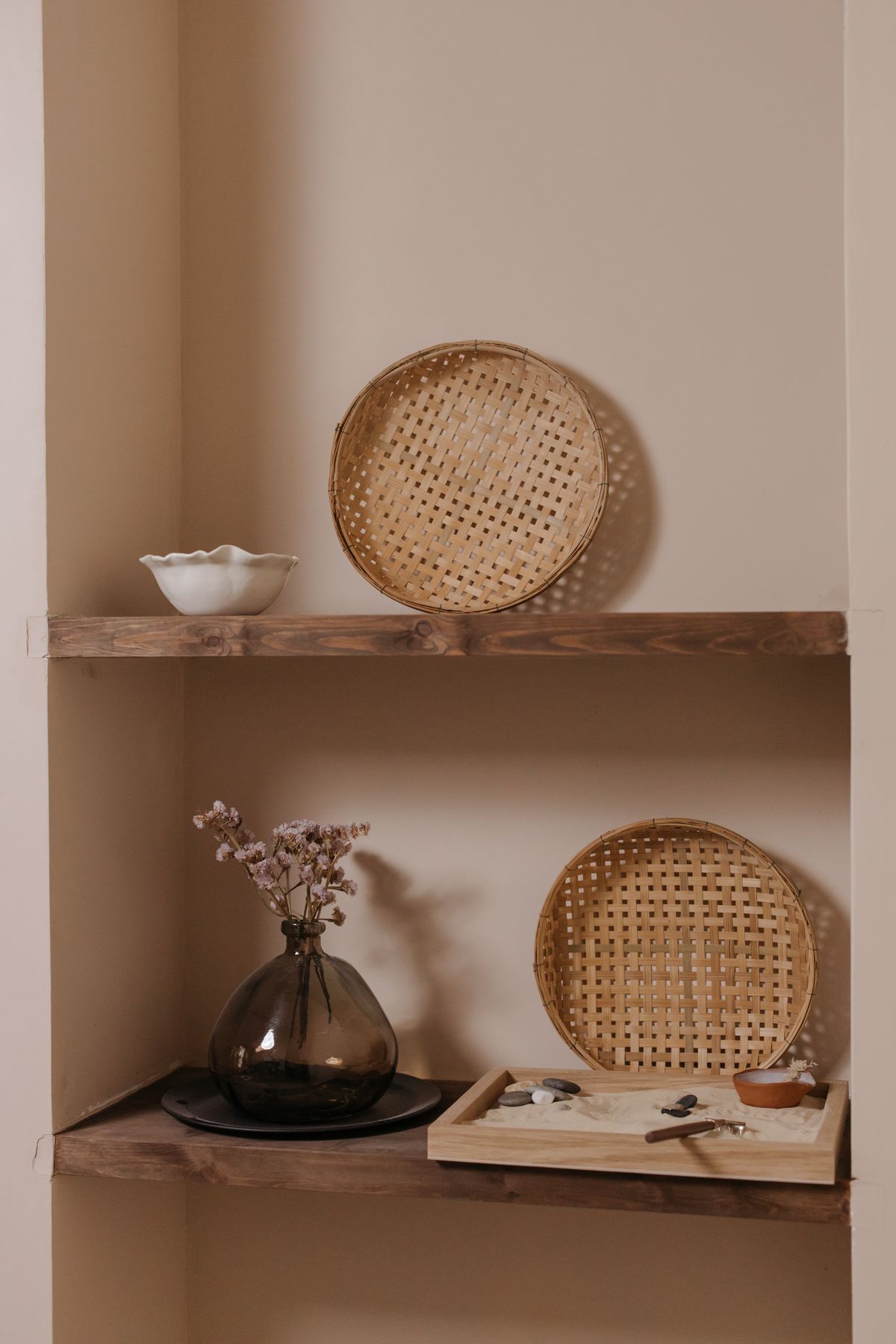
Three Storage Principles
A storage product earns its place when it solves one of three problems: something is hard to reach, available space is being wasted, or items do not have an obvious place to go back after use.
Everyday belongings should not be stored behind backup stock, under several layers, or in containers that require multiple steps to open.
Shelf risers, hanging storage, hooks, stacked bins, and underbed solutions can increase usable capacity without taking over the room.
Clear categories, consistent zones, and simple compartments make it easier for items to return to the same place after normal use.
Storage Ideas by Space
Storage is most effective when it sits close to the action that creates clutter. Start with the entry point, the active routine, or the surface where items regularly collect.
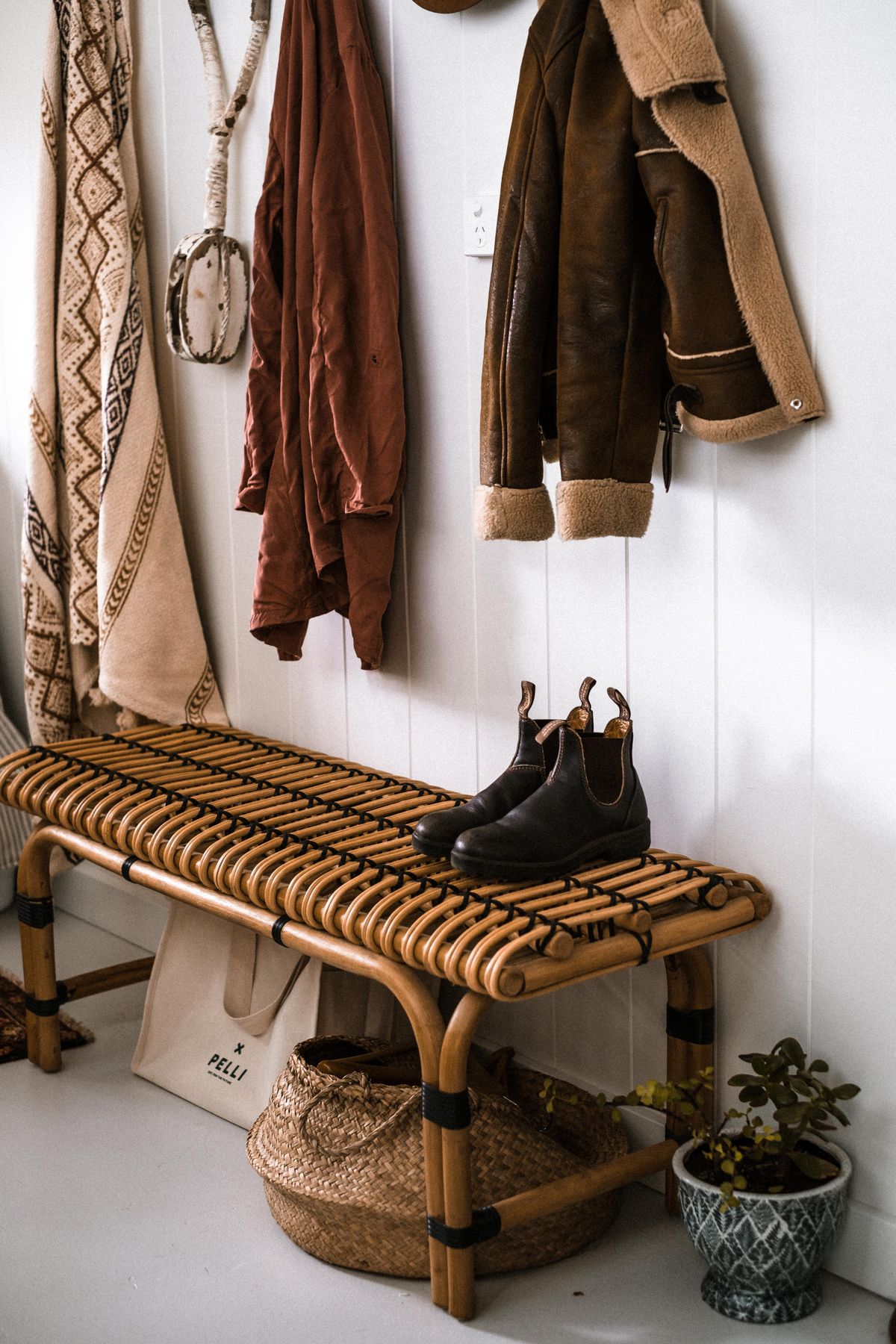
Entry storage should handle movement. Use hooks for coats and bags, shoe organization near the floor, and a basket for small items that need a temporary landing place.
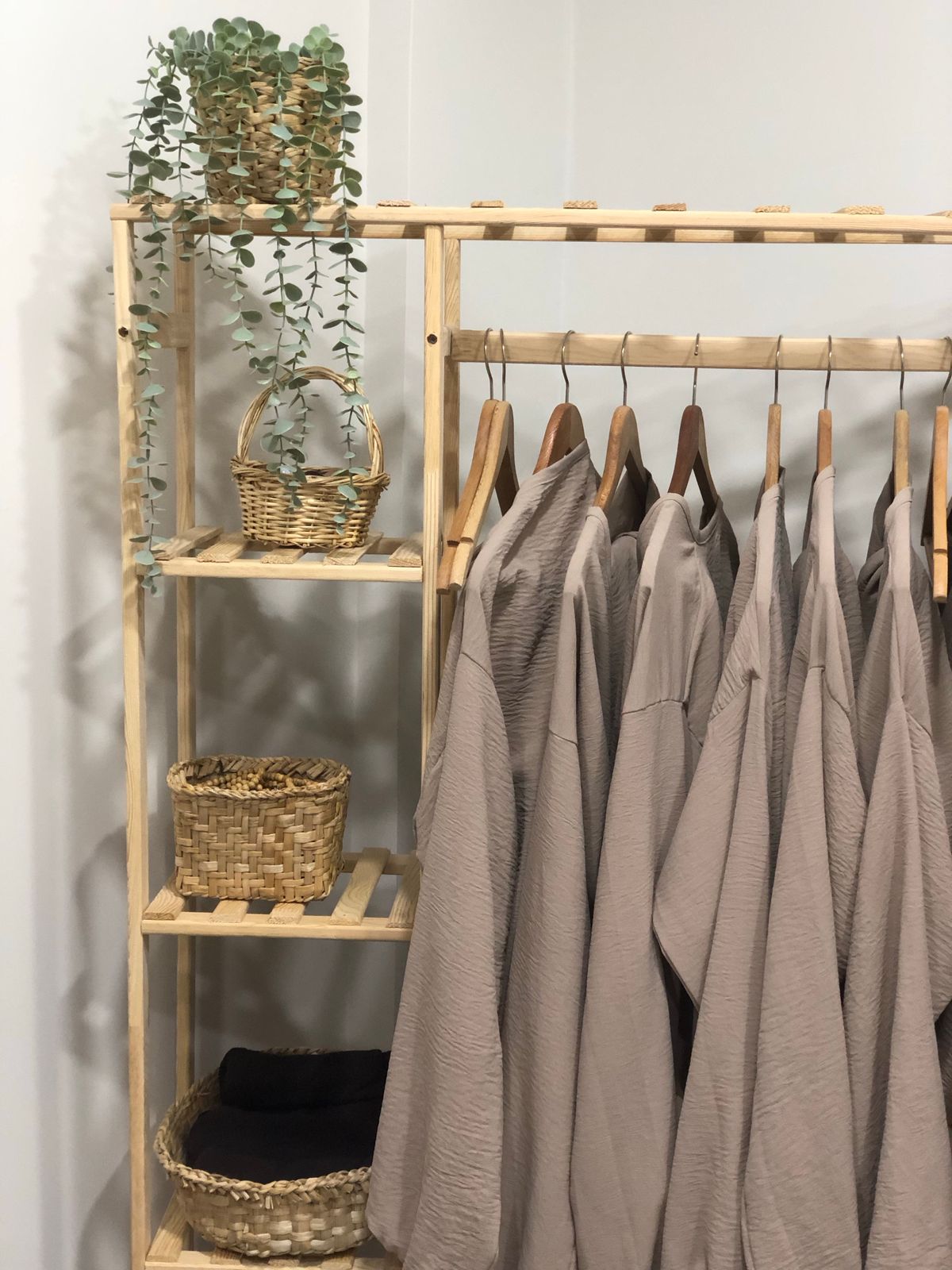
Bedrooms feel calmer when clothing storage has limits. Keep active garments accessible, give soft items basket storage, and move low-frequency belongings into underbed or upper-shelf zones.
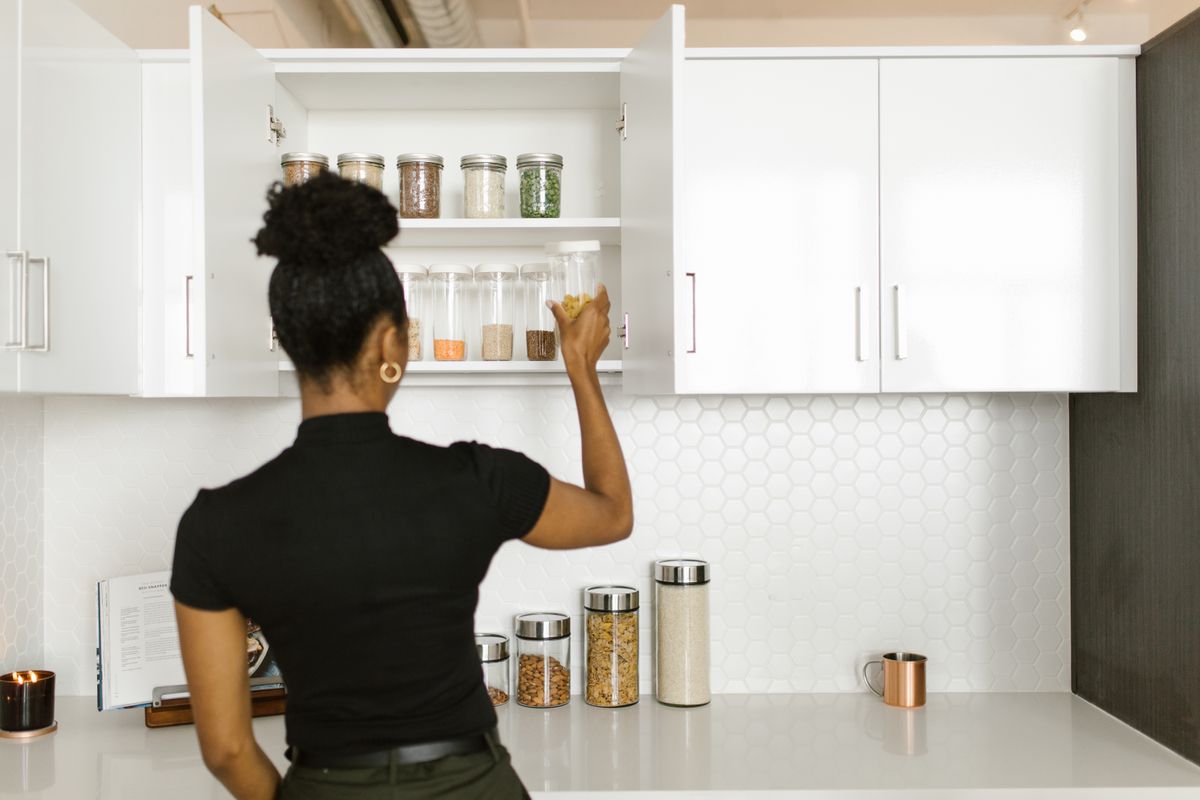
Kitchens benefit from clear food storage, grouped pantry bins, shelf organizers, and drawers that reflect how cooking tools are actually used.
Bathroom storage works best when frequently used products stay in the active zone and refill stock moves into baskets, cabinets, or secondary shelves.
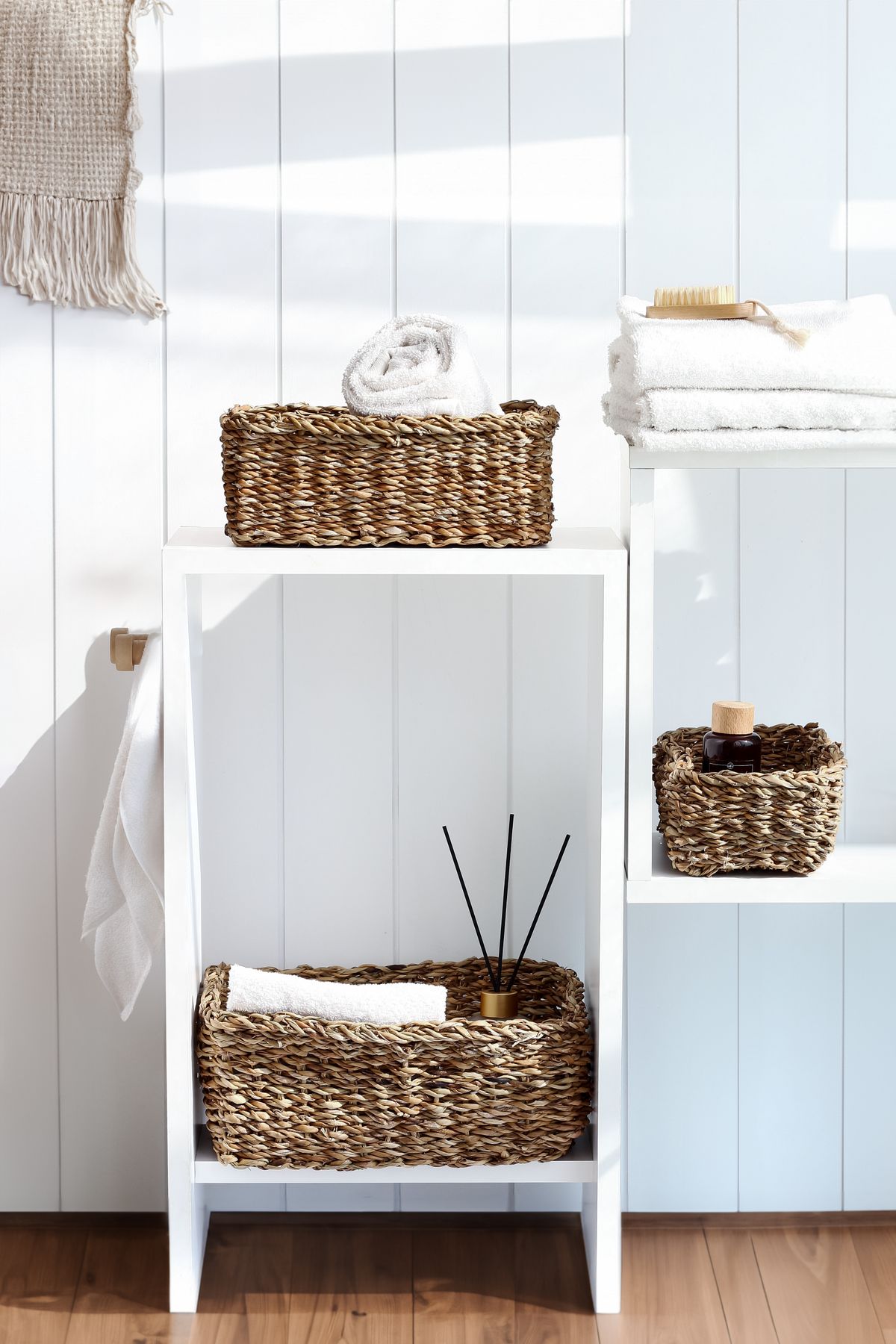
Use the Space You Already Have
Many storage problems come from unused vertical or concealed space rather than a true lack of room. Use these areas carefully so hidden storage remains accessible instead of becoming forgotten clutter.
Use lightweight baskets for seasonal, occasional, or backup categories that do not need daily access.
Store off-season clothing, spare linens, and low-frequency bedroom items in contained categories.
Add hooks or hanging organizers for accessories, towels, bags, or other frequently handled items.
Use shelf risers and small bins where deep shelves or unused vertical clearance hide items.
Use narrow shelving or baskets to group cleaning and household supplies without spreading across surfaces.
Utility Storage Ideas
Cleaning products, backup supplies, and utility items are easier to maintain when they are grouped together instead of being split between several unrelated cabinets and shelves.
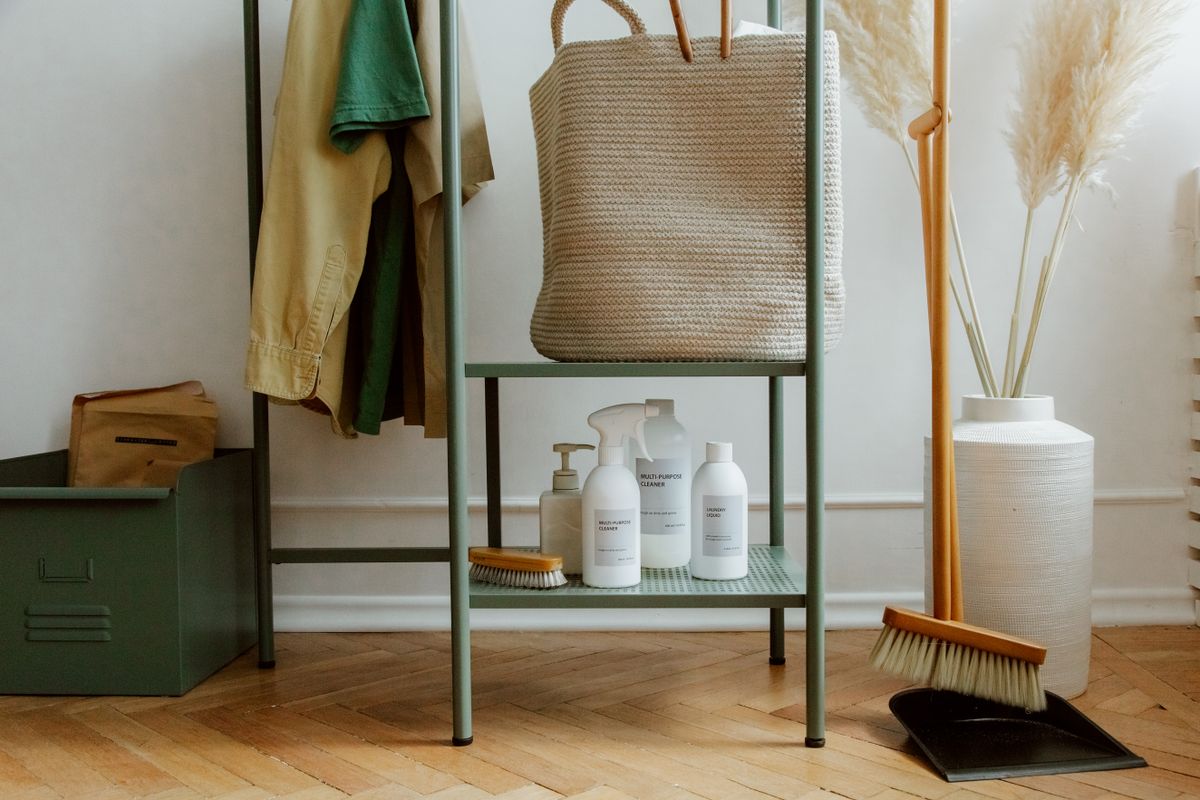
Keep cleaning products, cloths, tools, and refills together in a dedicated zone so the same task does not require searching several rooms.

Hooks work especially well for items that are handled often and need ventilation, visibility, or a faster return than a drawer provides.
Choose the Right Container
Match the container to the item, the frequency of use, and the position of the shelf. The right form can make a system much easier to maintain.
Useful for linens, scarves, laundry items, packets, and household supplies reached often.
Useful for pantry categories, cabinet stock, small accessories, or supplies that are easy to forget.
Useful for seasonal clothing, underbed storage, spare linens, and categories that need dust protection.
Useful for utensils, jewelry, accessories, grooming items, and other pieces that mix easily.
Useful for coats, bags, towels, accessories, and vertical storage behind doors or on walls.
The Four-Step Home Reset
When a storage area stops working, reset the category first. The problem may be too much volume, poor placement, or an organizer that makes return harder than it needs to be.
Remove enough items to see the actual shelf, drawer, basket, or floor area you are working with.
Remove damaged, duplicated, expired, unused, or misplaced items before changing the storage system.
Choose one clear location for each group and place frequently used items in the easiest positions.
Use baskets, bins, dividers, hooks, shelves, or hanging storage only when they make the category easier to use.
Build a Storage System That Fits Home
Explore food storage, pantry bins, cabinet and drawer organizers, garment storage, underbed solutions, shoe and accessory organizers, bathroom storage, hampers, laundry systems, baskets, bins, hooks, and hanging organization.